
Why Do We Say “The Writing’s on the Wall”?

A 2,500-Year-Old Warning That Still Holds True When people say “the writing’s on the wall,” they mean that the signs of trouble are clear — disaster is coming, and it’s only a matter of time. The phrase feels modern, often used in business or politics, but its roots stretch back over two and a half […]
Why Do We Say “By the Book”?
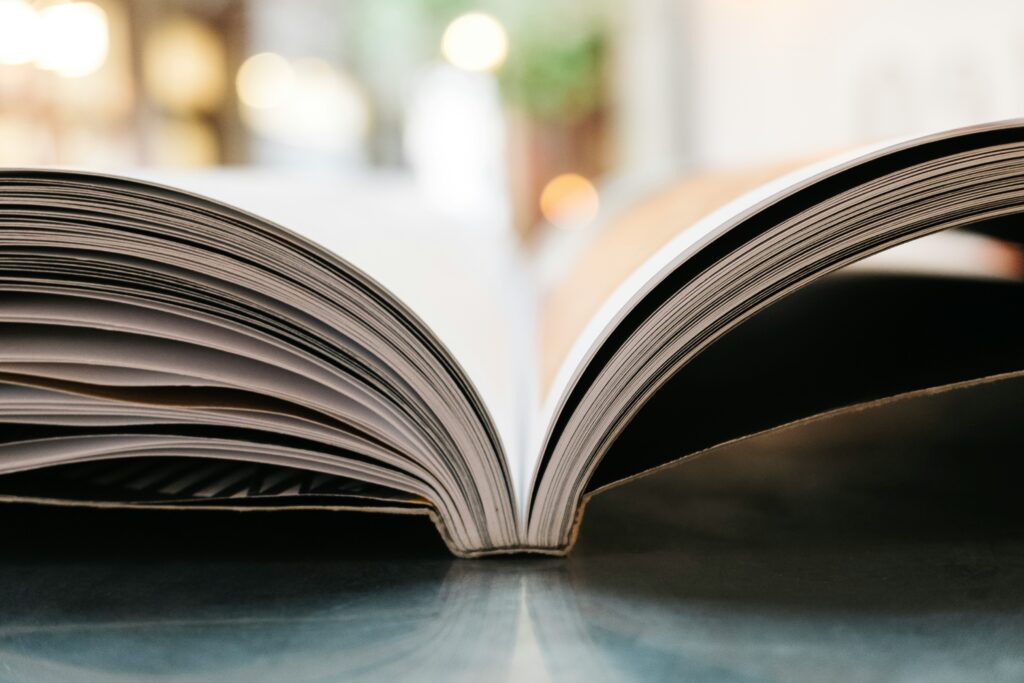
From Sacred Scripture to Standard Procedure When someone insists on doing things “by the book,” they’re not talking about reading manuals for fun — they’re talking about following the rules to the letter. But where did this phrase come from? Like many idioms rooted in authority and order, it has deep connections to religion, law, […]
Why Do We Say “Bury the Hatchet”?
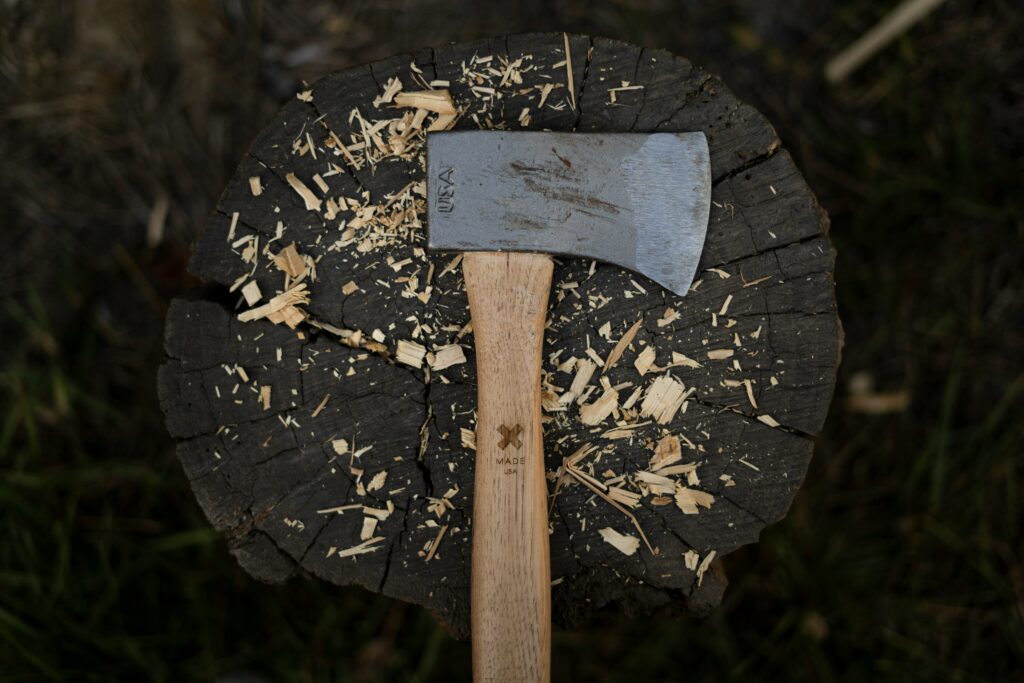
A Phrase Rooted in Real Peace and Ritual When two people make peace after a fight, we often say they’ve decided to “bury the hatchet.” It’s such a common phrase that it might sound purely figurative — but this expression has very real historical roots. Unlike many idioms that evolved from literature or technology, bury […]
Lost English Words Worth Reviving

English has one of the largest vocabularies in the world, with estimates ranging from 170,000 words in current use to over 600,000 if you count historical entries. But for every word that survives, countless others quietly fade into obscurity. Some disappear because the objects they describe vanish. Others fall out of fashion. Yet many lost […]
The Fascinating History of the English Language

English is everywhere. It’s the global language of business, science, diplomacy, pop culture, and—of course—the internet. Nearly 1.5 billion people speak it worldwide, making it the most widely studied second language on the planet. But behind its global dominance is a fascinating, messy history. English is a patchwork quilt stitched together by invasions, cultural shifts, […]
The Science of Reading: What Happens in Your Brain When You See Words
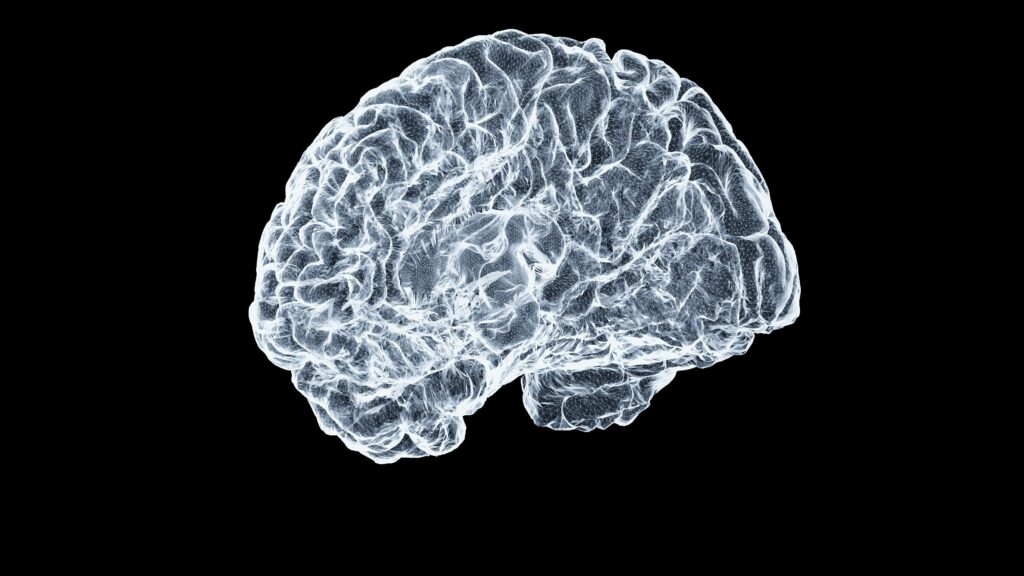
You do it every day—on screens, signs, books, and cereal boxes. You’re doing it right now. Reading feels automatic, but it’s anything but simple. Inside your head, billions of neurons are firing in precise patterns, transforming squiggles of ink or pixels into sound, meaning, and imagination. In a fraction of a second, your brain turns […]
Why English Breaks Its Own Rules (And Why That’s a Good Thing)
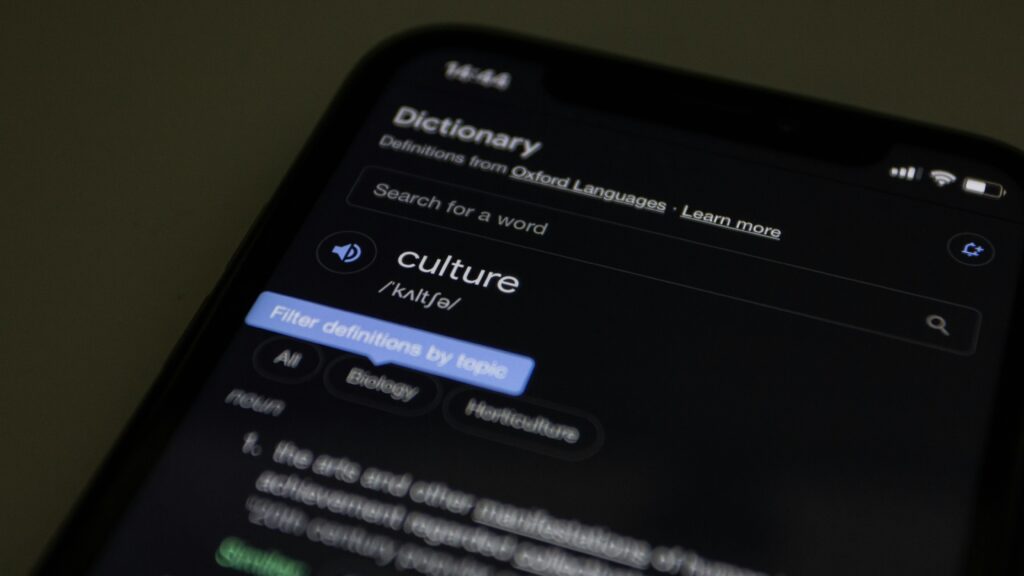
“Why is it mice but not hices? Why is read spelled the same in past and present tense but pronounced differently? And what kind of logic makes through, though, tough, and thought all sound different?” Ask any learner, and they’ll tell you: English is a language that seems to delight in breaking its own rules. […]
The Birth of Dictionaries: How We Decided What Words Mean
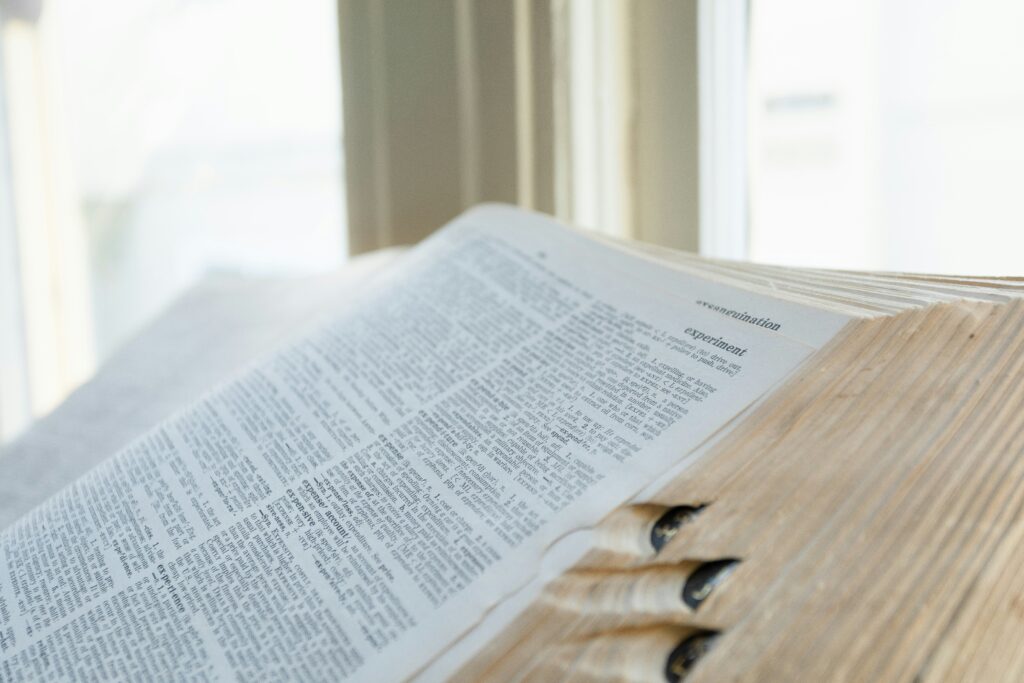
Every word you use has a home—a place where its meaning is captured, categorized, and preserved. That home is the dictionary. But who decides what words mean? When did people start writing them down? And how did we go from dusty tomes to online definitions that update in real time? The story of the dictionary […]
The Secret Life of Capital Letters: Why We Still Use Them
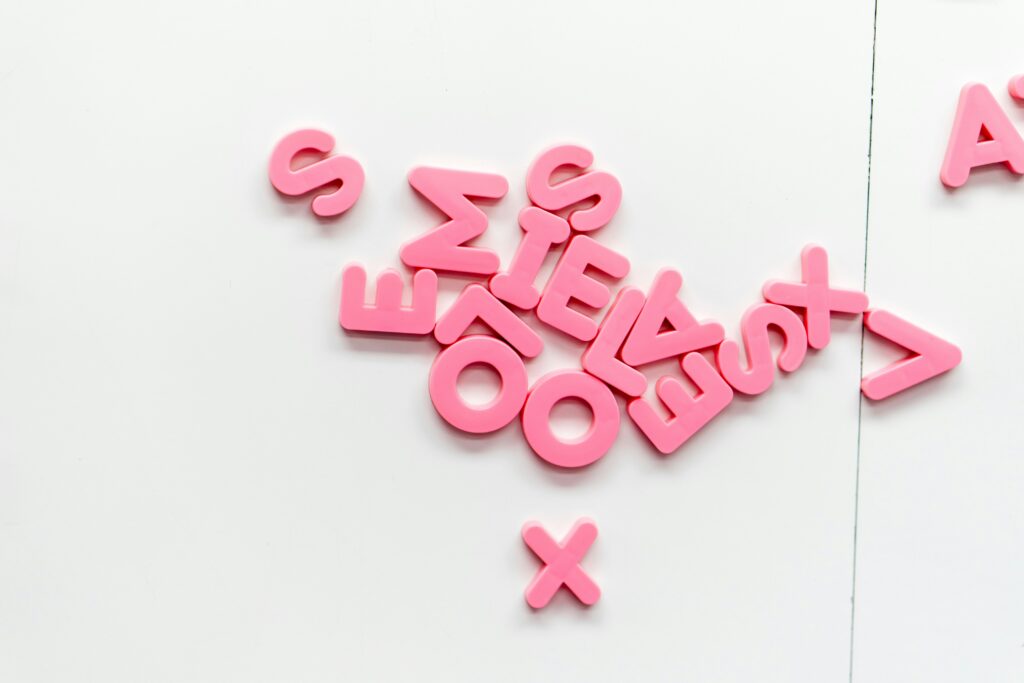
Every English sentence begins the same way—with a capital letter standing proudly at the front. It’s so ordinary we barely notice it, but that single uppercase character carries centuries of history, cultural symbolism, and even social power. Why do we write A and a, B and b? Why does English capitalize names but not nouns, […]
How Dictionaries Decide What Becomes a Word
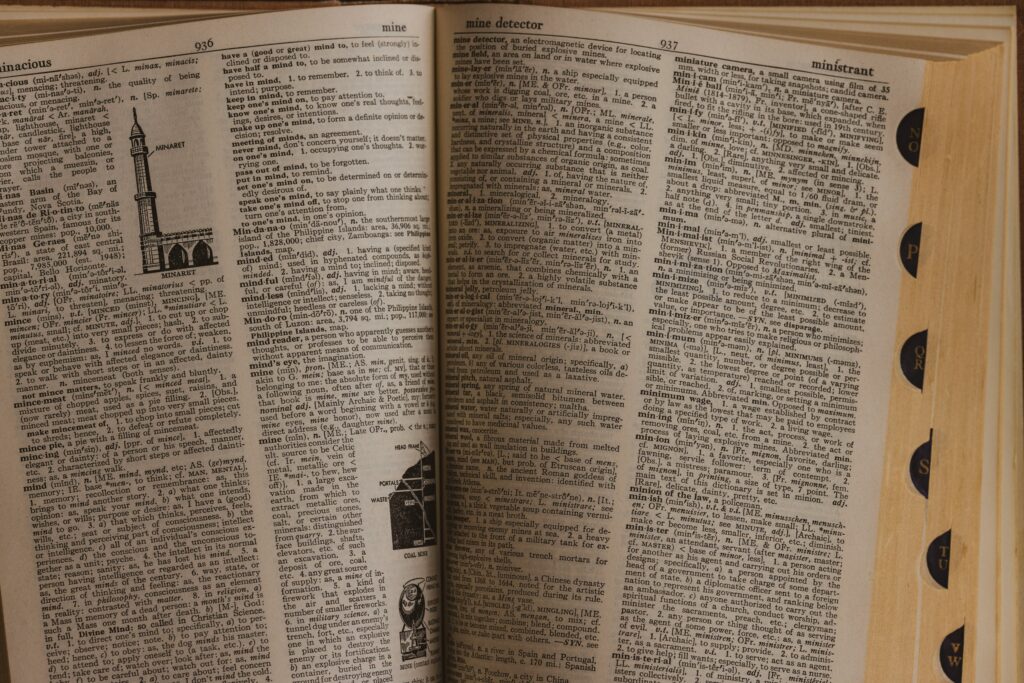
Every year, dictionaries announce new additions: selfie, blog, rizz, binge-watch, YOLO. Some people cheer; others groan, asking: “Is that really a word?” The answer is simple: if people are using it—and using it enough—it’s a word. But how do dictionaries decide what qualifies? Far from a casual guess, the process is meticulous, data-driven, and surprisingly […]