
Why English Plurals Are So Weird: From Mice to Children
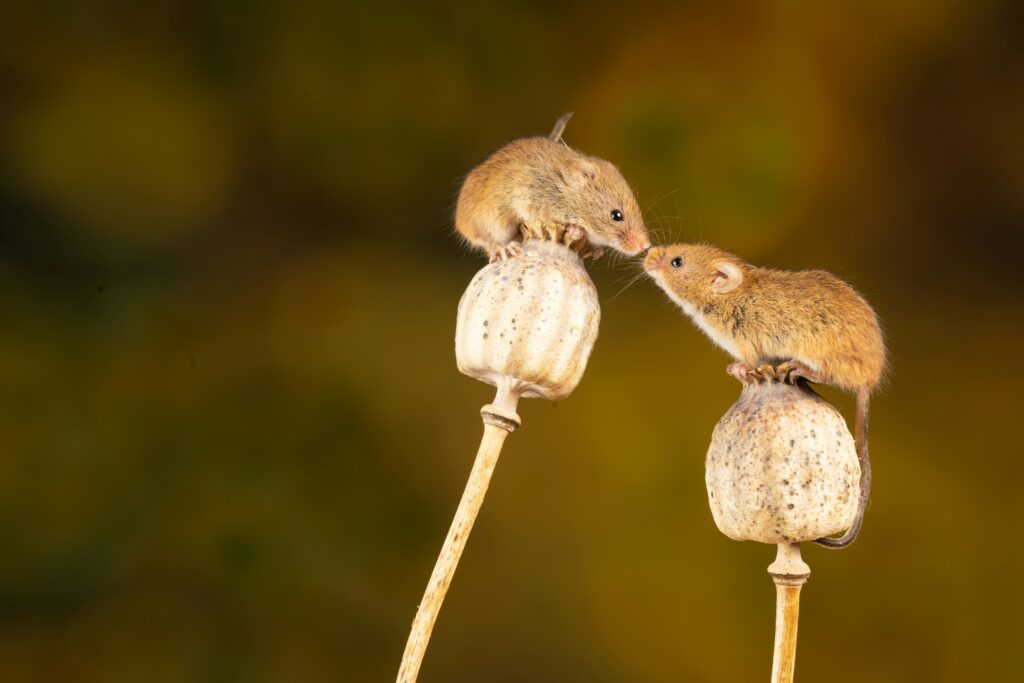
The Curious Case of Plurals: Why We Say Mice but Not Hices English can be maddening. Most nouns politely follow the rule: add an -s or -es to make them plural. Cat → cats. Dog → dogs. But then there are rebels: mouse → mice, child → children, goose → geese. Why these exceptions? Why […]
The Hidden Rules of English Grammar You Break Daily

If you’ve ever been told not to end a sentence with a preposition or to never split an infinitive, you’ve brushed up against some of English’s most persistent grammar “rules.” But here’s the twist: many of these so-called rules are either outdated, misunderstood, or flat-out myths. The truth is, English grammar is less about rigid […]
The Secret Life of English: Borrowed Words and Their Stories
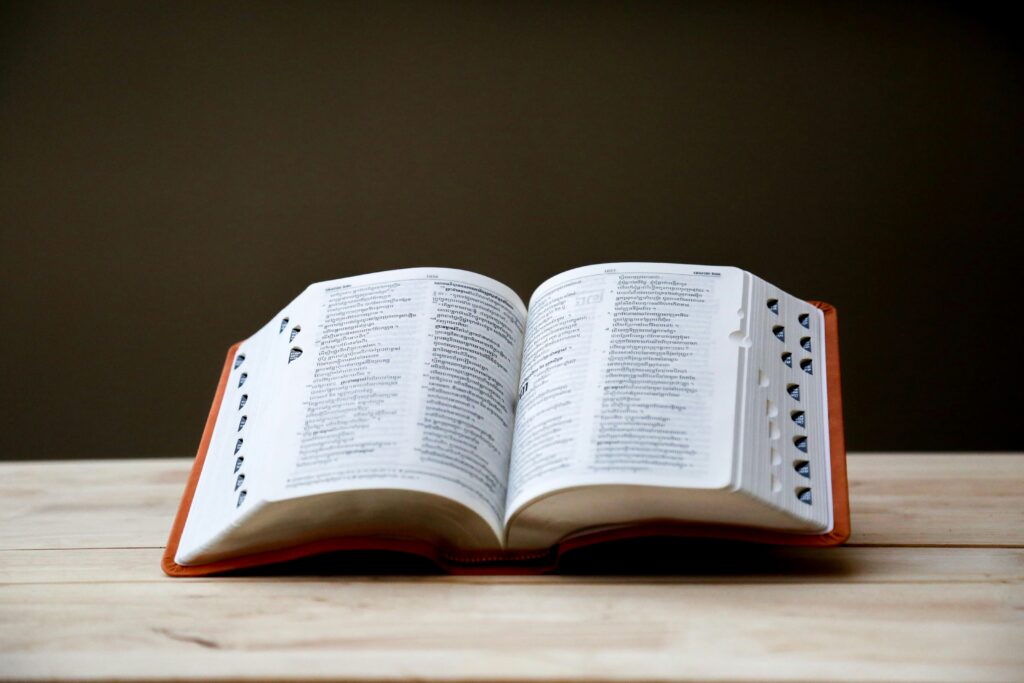
f English feels like a patchwork quilt of words stitched together from everywhere—it’s because it is. Unlike many languages that guard their vocabulary closely, English has always been a shameless borrower. From Latin and French to Hindi, Japanese, and even Zulu, English has borrowed, adapted, and reinvented thousands of words, making it one of the […]
Why Do We Say “Burn the Midnight Oil”?

An Idiom Lit by History When you stay up late to finish a project, cram for exams, or push through extra work, people say you’re “burning the midnight oil.” The phrase may sound poetic, but it was once very literal — a reminder of a time before electricity, when oil lamps and candles were the […]
Why Do We Say “Rule of Thumb”?
A Hands-On Phrase With Practical Roots When someone offers a “rule of thumb,” they’re giving you a simple, practical guideline based on experience rather than precise calculation. But where does the phrase come from? Contrary to some persistent myths, its origin has nothing to do with laws or punishments. Instead, it’s a phrase born from […]
Why Do We Say “Hang Up the Phone”?
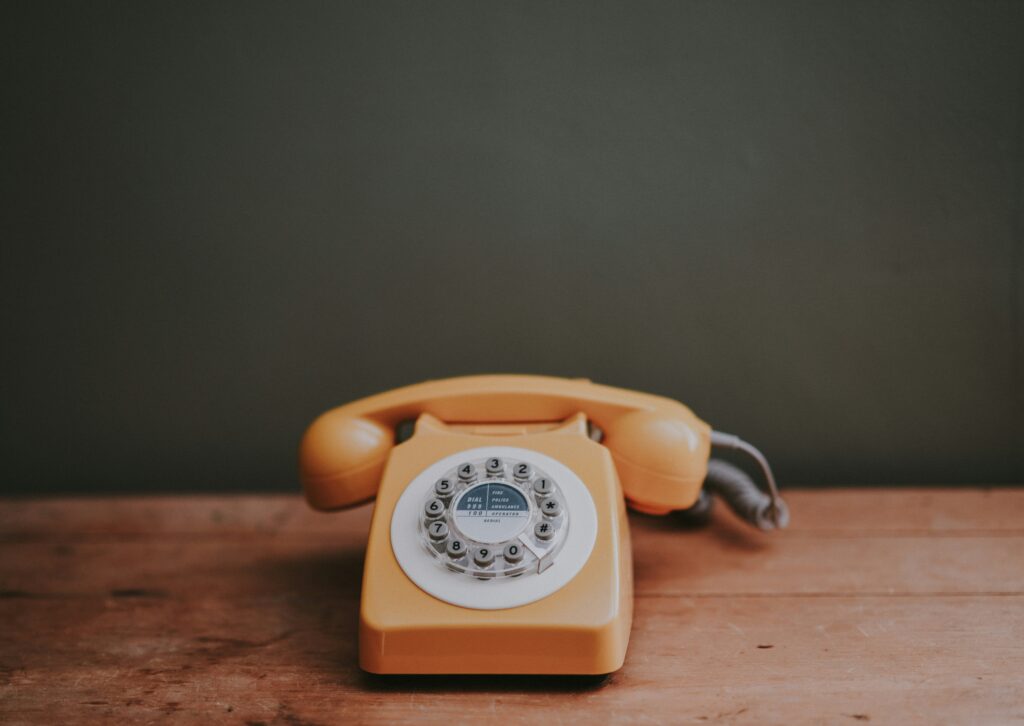
A Fossil Phrase from the Early Days of Telephony When you finish a call today, you might say you’re going to “hang up.” But on a smartphone, you’re not hanging anything — you’re just tapping a red button on a screen. So why do we still use this phrase? The answer lies in the earliest […]
Why Do We Say “Steal Someone’s Thunder”?

A Theatrical Phrase That Still Booms When someone takes credit for your idea, or overshadows your moment, you might accuse them of “stealing your thunder.” It’s one of English’s most dramatic idioms — and it began with a very real storm of frustration in the theater world. 🎭 John Dennis and His Thunder Machine The […]
Why Do We Say “It’s Raining Cats and Dogs”?
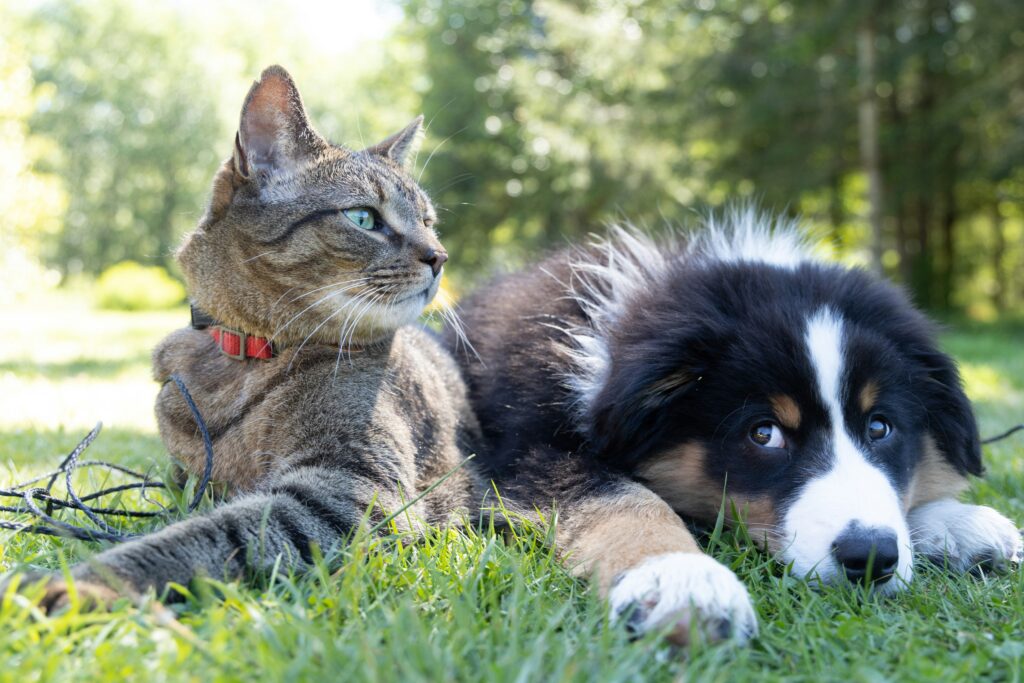
A Wild Expression With Mysterious Roots When the sky opens up and rain pours down in sheets, we often say it’s “raining cats and dogs.” The phrase is one of English’s strangest idioms — dramatic, funny, and instantly understood. But where did it come from? Surprisingly, the origin is still debated, and several colorful theories […]
Why Do We Call Typing in ALL CAPS “Shouting”?
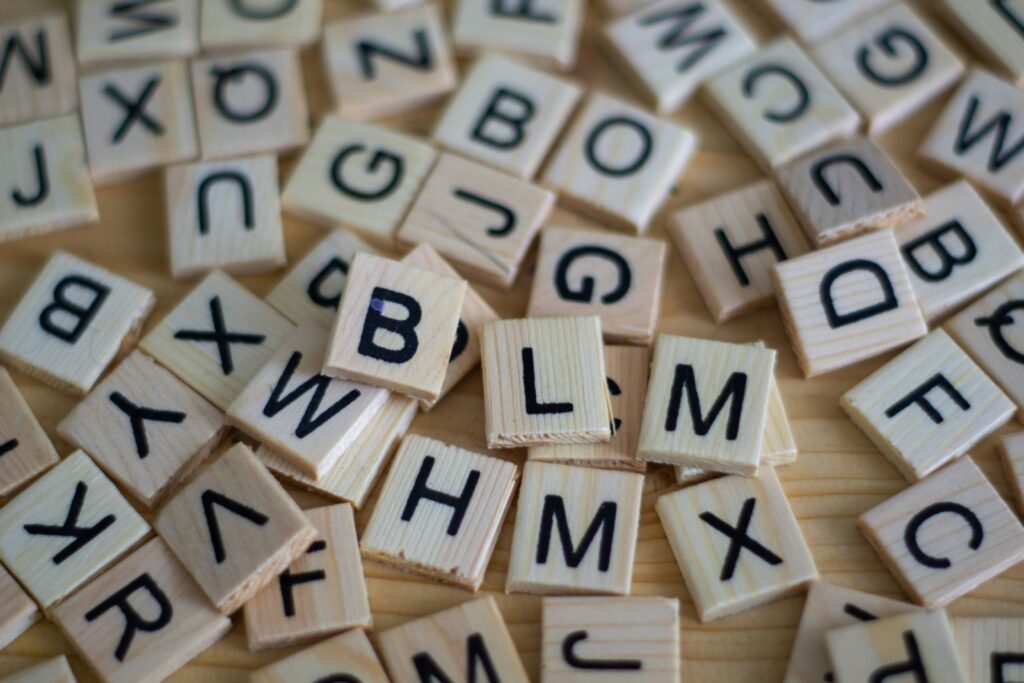
How Capitals Became the Loudest Letters Online If you’ve ever opened a message that screams “WHAT ARE YOU DOING?” you’ve probably felt the sudden jolt: Whoa, why are they yelling? Typing in ALL CAPS has become the digital equivalent of raising your voice. But why do we interpret it that way? The answer blends history, […]
What’s the Origin of “Cutting Corners”?
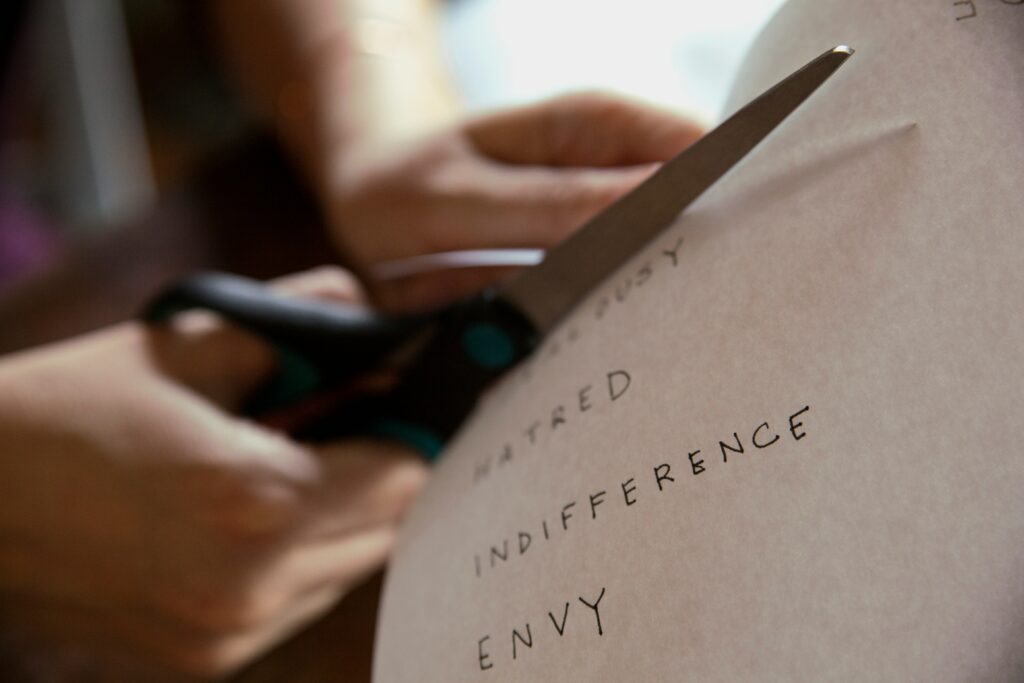
From Shortcuts to Carelessness We all know what it means when someone is accused of “cutting corners.” It’s shorthand for doing something quickly, cheaply, or carelessly — usually at the expense of quality. But where does this vivid phrase come from? The answer blends literal shortcuts with the dangers of skipping the proper path. 📜 […]