
Why Do We Say “Pull Out All the Stops”?
An Idiom You Can Literally Hear When someone “pulls out all the stops,” you know they’re giving everything they’ve got — no holding back, no half measures. It’s a phrase that suggests full effort, maximum power, and complete commitment. But unlike many idioms whose origins are fuzzy or debated, this one has a surprisingly clear […]
Why Do We Say Something Costs an “Arm and a Leg”?
A Dramatic Phrase With a Surprising Past When someone says, “That vacation cost me an arm and a leg,” you know it wasn’t cheap. The phrase is one of English’s most dramatic ways to say something was extremely expensive or costly. But where does this vivid idiom come from? The answer might surprise you — […]
Why Does “Goodbye” Really Mean “God Be With You”?

A Common Farewell with a Sacred Past Every time you type “goodbye” at the end of an email, text, or conversation, you’re carrying a piece of history that stretches back centuries. The word we use so casually today began as a deeply meaningful blessing: “God be with you.” Over time, it was shortened, reshaped, and […]
11 Real English Words That Sound Totally Made Up
Strange, Silly, and 100% Legit English is an endlessly flexible language — but sometimes it takes that flexibility and runs wild with it. From the whimsical to the absurd, certain words sound like they were dreamed up by a children’s book author or a comedian. Yet every one of these is a real, legitimate word […]
The Secret Life of Silent Letters in English
Why They Exist — and Why They Refuse to Leave Silent letters are one of the most baffling features of English. Why is there a “k” in “knife” if we don’t pronounce it? Why does “thumb” end with a “b” that stays quiet? And what’s going on with “Wednesday” hiding a whole extra syllable? These […]
Dark and Surprising Origins of Everyday Idioms

The Strange Stories Behind the Words We Say Without Thinking We use them every day without a second thought — little turns of phrase that make our language colorful. But many of our most familiar idioms didn’t start out as lighthearted sayings. Some were born in fear, superstition, crime, or hardship. In this post, we’re […]
Why Do We Call Bad Guys “Villains”?

A Story of Class, Language, and the Power of Perception Think of the word “villain” and what comes to mind?A comic book nemesis.A mustache-twirling scoundrel.Someone plotting doom in a secret lair. But rewind a few hundred years and you’ll find that the original villain wasn’t evil — just poor. In fact, he wasn’t even a […]
Why Do We Say “Bite the Bullet”?
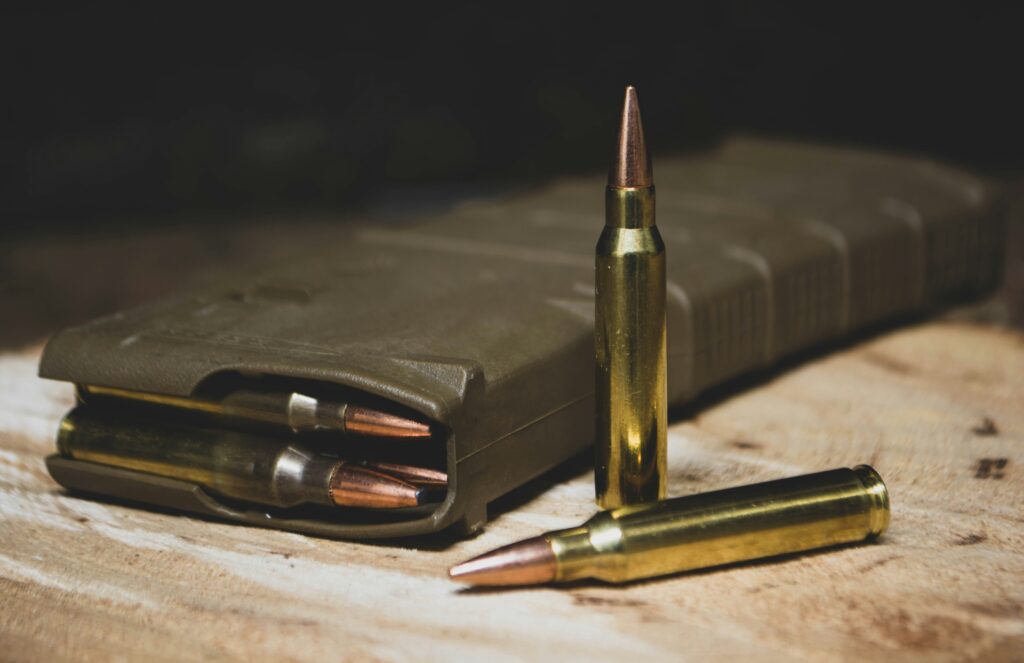
A Painful Past Behind a Gritty Phrase When someone says they have to “bite the bullet”, they mean they’re about to face something unpleasant with courage. Maybe it’s: But this phrase isn’t just about mental toughness — it once described a very real act of gritting your teeth through extreme physical pain. ⚔ From Battlefield […]
The Grim Origin of “Saved by the Bell”
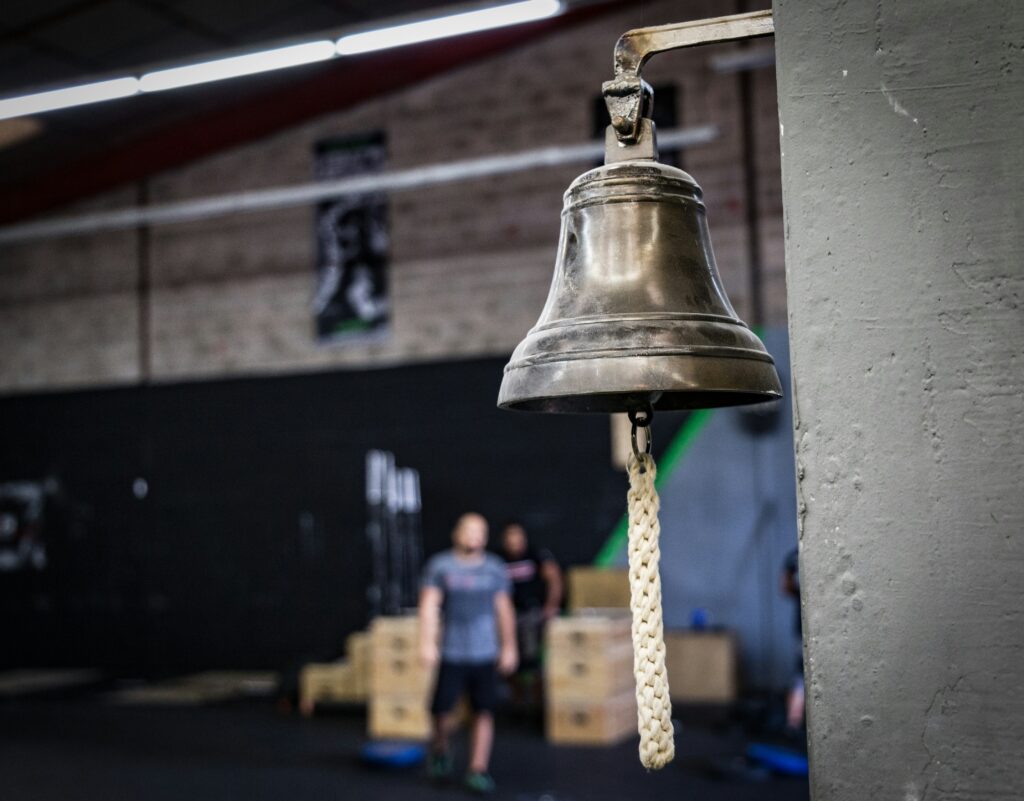
A Grim Tale Behind a Cheerful Phrase Today, “saved by the bell” is a light, almost playful expression. It might mean: But its original meaning? Not lighthearted at all. In fact, it comes from one of humanity’s darkest, most unsettling fears: being buried alive. ⚰ The Victorian Fear of Premature Burial In the 18th and […]
Why Do We Say “Spill the Beans”?
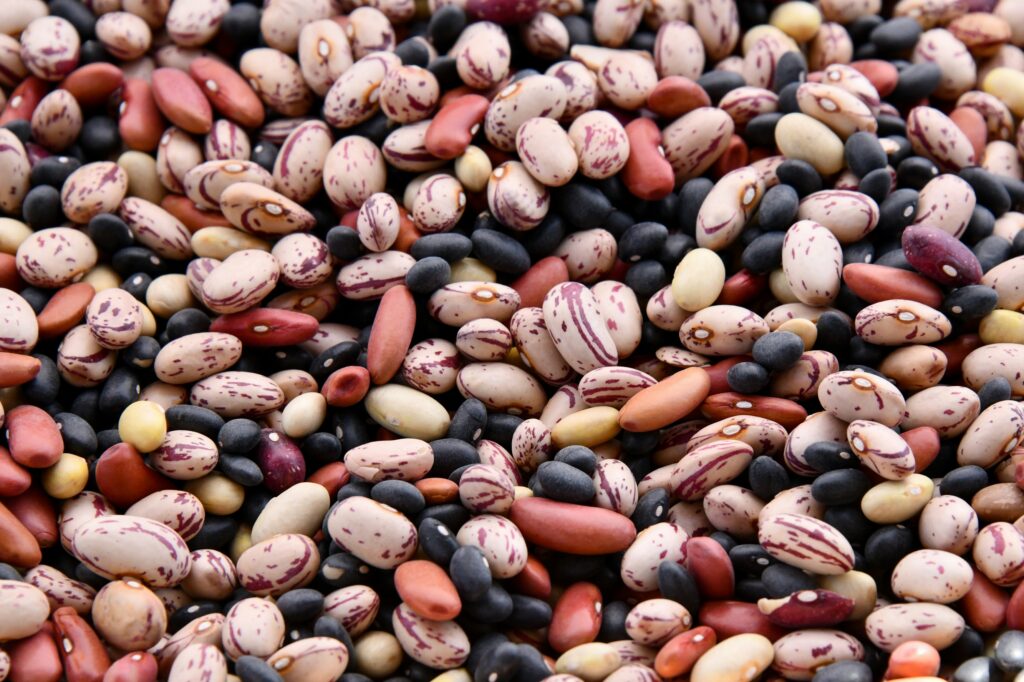
The Surprising Secret Behind This Ancient Phrase Today, if someone “spills the beans,” it means they’ve blurted out a secret — whether they meant to or not. But once you think about it, the phrase is pretty strange. Why beans? Why spill them? And how did that come to represent a breach of confidentiality? To […]